Algiers
Algiers, known as Alger la Blanche for its white buildings stacked above the Mediterranean, splits into the steep Ottoman Casbah and the wide French-era city below it. A guide is close to essential for the Casbah's maze of lanes.

Algiers, known as Alger la Blanche for its white buildings stacked above the Mediterranean, splits into the steep Ottoman Casbah and the wide French-era city below it. A guide is close to essential for the Casbah's maze of lanes.
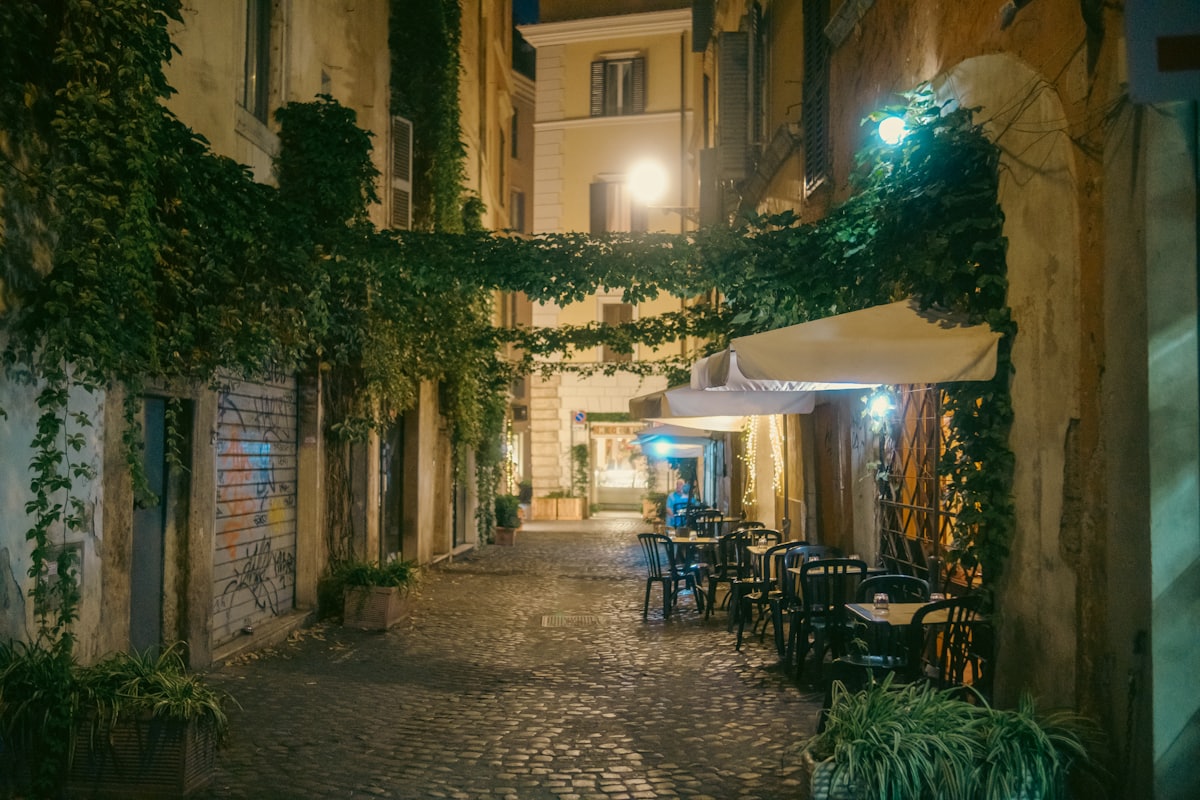
The World Heritage medina climbing the hillside, with Ottoman palaces, the Ketchaoua Mosque, tiny craft workshops and streets from the Battle of Algiers. Best explored with a local guide.
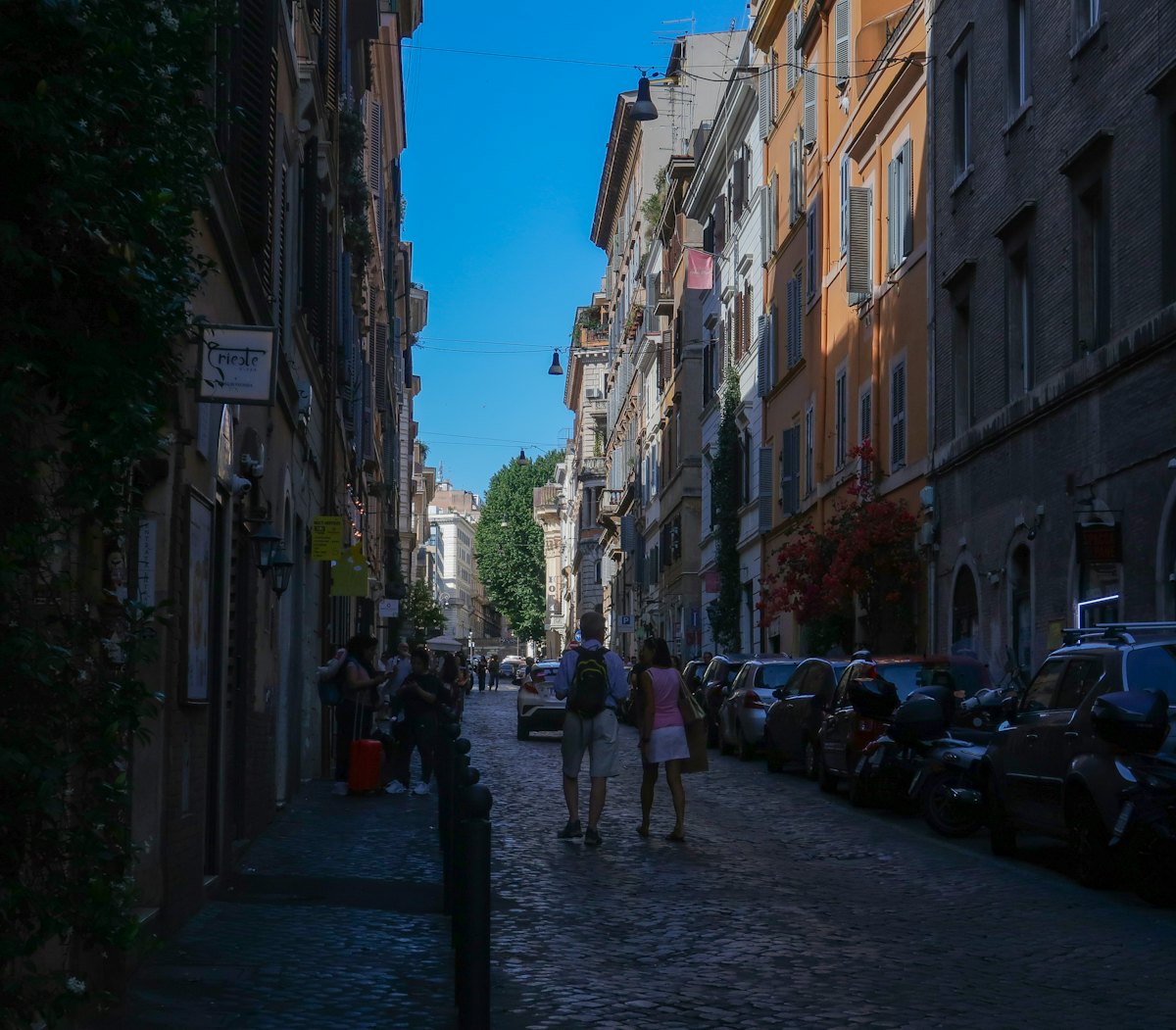
The clifftop basilica looking out over the sea, and the towering concrete Martyrs' Memorial with its museum of the war of independence.
The Bardo and Fine Arts museums, the Jardin d'Essai du Hamma botanical garden, and the vast Great Mosque of Algiers with one of the tallest minarets in the world.
Most nationalities need a visa for Algeria, arranged in advance. French and Arabic are widely used, cash is king, and photography around government buildings is restricted. Check current travel advice and hire a licensed guide for the Casbah. The national tourism office is the Office National du Tourisme.

The lanes are unsigned, steep and easy to get lost in, and many highlights are behind unmarked doors. A local guide turns it from a scramble into a walk through living history.
The Ottoman upper town and the Haussmann-style boulevards below tell the story of Algiers in built form. Seeing both in one day makes the contrast clear.
Visas, currency and guide bookings take some organising. Sort them before you arrive rather than on the ground.
Do I need a visa for Algeria?
Most visitors do, arranged before travel. Requirements change, so check the nearest Algerian consulate and your government's travel advice.
Can I visit the Casbah on my own?
You can, but it is strongly advised to go with a licensed local guide. The layout is confusing and many sites are hard to find or access alone.
Is Algiers expensive?
Day-to-day costs are low, but the country runs largely on cash and there are official and unofficial exchange rates. Bring euros or dollars to change.
When is the best time to visit?
Spring and autumn are mild and pleasant. Summer is hot and humid on the coast, winters are cool and can be wet.
Algiers is the capital and largest city of Algeria, built on the slopes above a wide Mediterranean bay. Its historic core, the Casbah, was the citadel and medina of the Ottoman period and is a UNESCO World Heritage Site.
The lower city was rebuilt in a French colonial style in the 19th and 20th centuries. Landmarks include Notre-Dame d'Afrique, the Maqam Echahid martyrs' memorial, the Bardo museum and the recently completed Great Mosque of Algiers.
This page is an independent guide for visitors. It is not affiliated with any government or tourism body.
